
The State of the Professional Services Industry Report
What Last Year Set in Motion — and What Leaders Must Do to Stay Ahead in 2026
Get the Full Report
3 Key Themes Have Emerged
The professional services industry is no stranger to change. But this year, the pace feels different. Faster. Sharper. More consequential. AI isn’t just knocking on the door of service delivery anymore; it’s already inside, rearranging the furniture. Clients aren’t just asking for higher-quality work; they’re demanding outcomes that boost the bottom line with every engagement. And organizations aren’t just focused on growth; they’re fighting for profitability amidst rising pressure to deliver more with less.
Kantata commissioned Censuswide to conduct a survey of 200 professional service leaders to gain a better understanding of where the industry is now — and where it’s headed in the year to come.
This State of the Professional Services Industry report reveals a sector at a pivotal moment. Firms are rapidly embracing AI, navigating shifting client expectations, and working to protect margins amid increasingly competitive markets.
Theme 1
Resourcing: The New Hybrid Workforce is Here
When it comes to the challenges professional services leaders face in 2025, integrating AI agents into delivery workflows has emerged as the clear front-runner. Rather than struggling to keep a pulse on people, leaders now have to figure out how to plan for a hybrid workforce of humans and AI, who each contribute to delivery in different ways.
The message is clear: resourcing is now a challenge that spans both human capacity and AI capability — and the infrastructure to make them work together.
Get the Full Report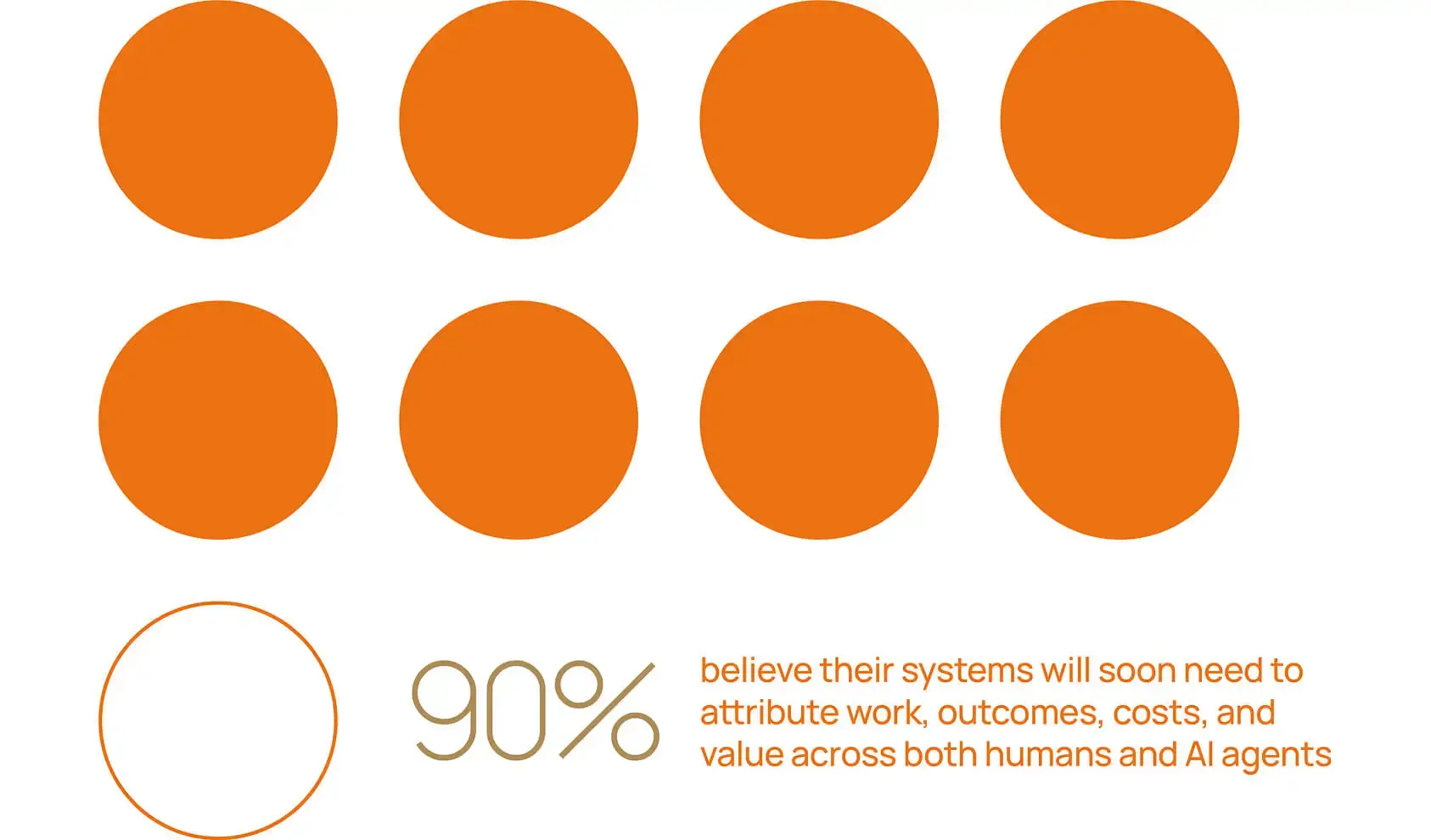
What are the biggest resourcing challenges as AI becomes part of delivery workflows?
- AI has officially entered delivery workflows, and leaders are struggling to integrate agents into existing resourcing structures.
- Capacity constraints remain severe, with firms consistently turning away work because they cannot staff it.
- Forecasting visibility is shrinking, making long-range planning increasingly unreliable.
- Teams know they need competency and outcome-based staffing, but lack the systems and clarity to support it.
- Skills needs are becoming harder to predict, creating a widening gap between demand and available talent.
How can firms prepare for AI + human hybrid resourcing models?
- Organizations are moving toward a hybrid workforce model where AI agents are resourced, measured, and valued alongside humans.
- Firms are preparing systems that can attribute work and impact across both human and AI contributors.
- Hybrid resourcing models promise more agility, allowing teams to scale capacity faster and more precisely.
- Those who adapt their resourcing operations will unlock advantages rooted in speed and sustainable growth.
Looking Ahead:
Resourcing in 2026 and Beyond
The future of resourcing is orchestration, not allocation. By blending human expertise with AI capacity in a coordinated, measurable way, firms can reduce risk and improve both predictability and profitability.
Download the full report for more predictions and actionable insights on how to adapt resourcing for a hybrid workforce in 2026.
Get the ReportTheme 2
Delivery: Aligning With the Outcome Imperative
An interesting anomaly emerged in this year’s data: nearly half of firms report using outcome-based pricing, yet few appear actually “outcome ready.” AI is accelerating the shift toward outcome-centric delivery and reshaping what clients expect and how firms must deliver. But while scoping remains inconsistent, margin leakage is common, and the gap between aspiration and readiness is widening.
The takeaway is obvious: AI is pushing the industry toward outcomes at lightning speed, but firms need to build the foundations that make outcome-based delivery sustainable.
Get the Full Report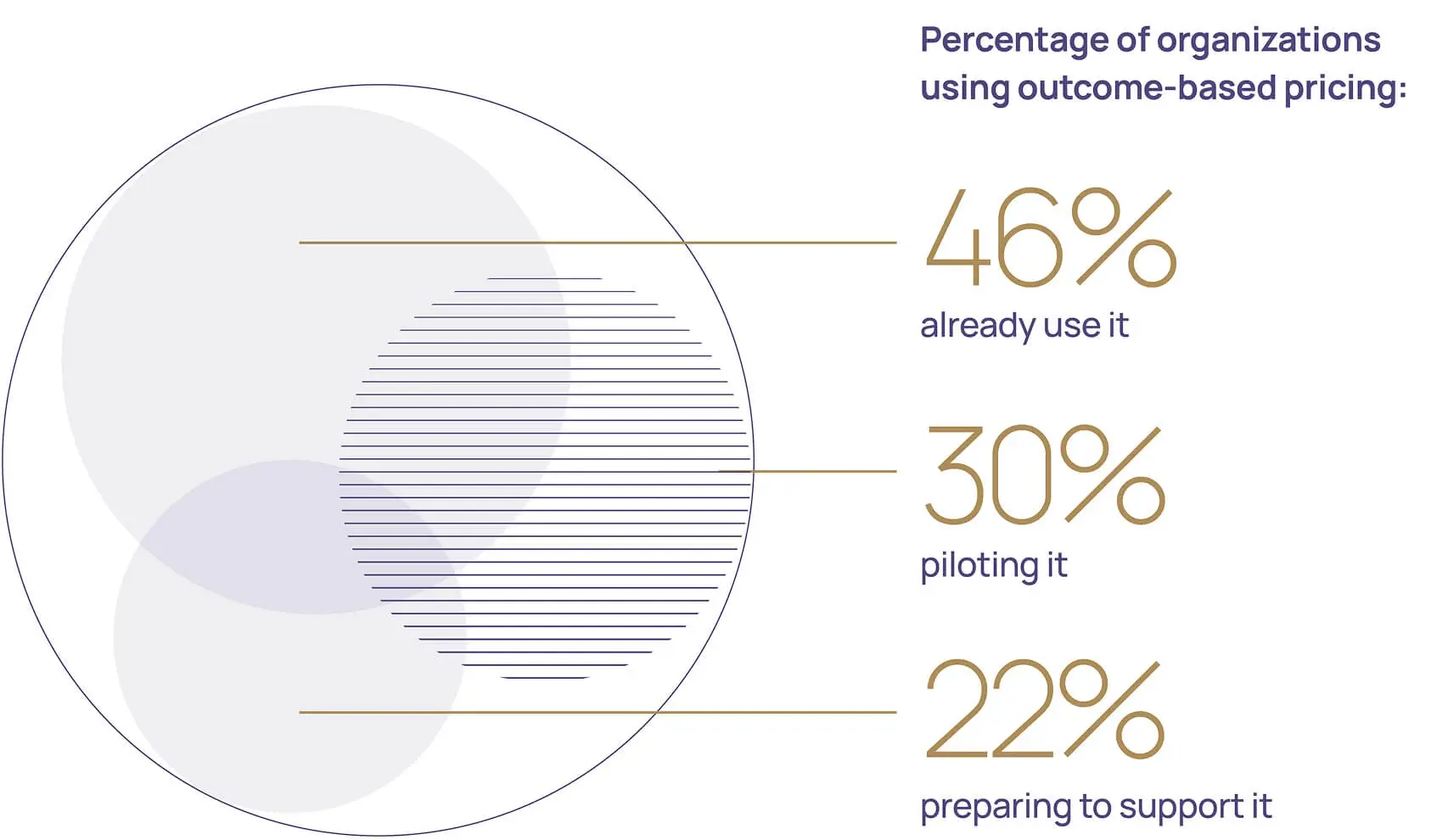
What are the biggest resourcing challenges as AI becomes part of delivery workflows?
- AI has officially entered delivery workflows, and leaders are struggling to integrate agents into existing resourcing structures.
- Capacity constraints remain severe, with firms consistently turning away work because they cannot staff it.
- Forecasting visibility is shrinking, making long-range planning increasingly unreliable.
- Teams know they need competency and outcome-based staffing, but lack the systems and clarity to support it.
- Skills needs are becoming harder to predict, creating a widening gap between demand and available talent.
How can firms prepare for AI + human hybrid resourcing models?
- Organizations are moving toward a hybrid workforce model where AI agents are resourced, measured, and valued alongside humans.
- Firms are preparing systems that can attribute work and impact across both human and AI contributors.
- Hybrid resourcing models promise more agility, allowing teams to scale capacity faster and more precisely.
- Those who adapt their resourcing operations will unlock advantages rooted in speed and sustainable growth.
Looking Ahead:
Resourcing in 2026 and Beyond
The future of resourcing is orchestration, not allocation. By blending human expertise with AI capacity in a coordinated, measurable way, firms can reduce risk and improve both predictability and profitability.
Download the full report for more predictions and actionable insights on how to adapt resourcing for a hybrid workforce in 2026.
Get the ReportTheme 3
Data: Turning Tribal Knowledge Into Institutional Expertise
Data has become a driving force in services delivery, and AI sits squarely at the center of this shift. But this year’s findings reveal a hard truth: 88% of services professionals say they trust AI outputs enough to make operational decisions, but 89% also say they spend meaningful time verifying those same outputs. Trust and speed are out of balance, and this imbalance is slowing down the very efficiencies AI promises.
This means one thing: The next era of performance will belong to firms that close the trust gap by building data systems that are transparent, centralized, and able to support a hybrid workforce.
Get the Full Report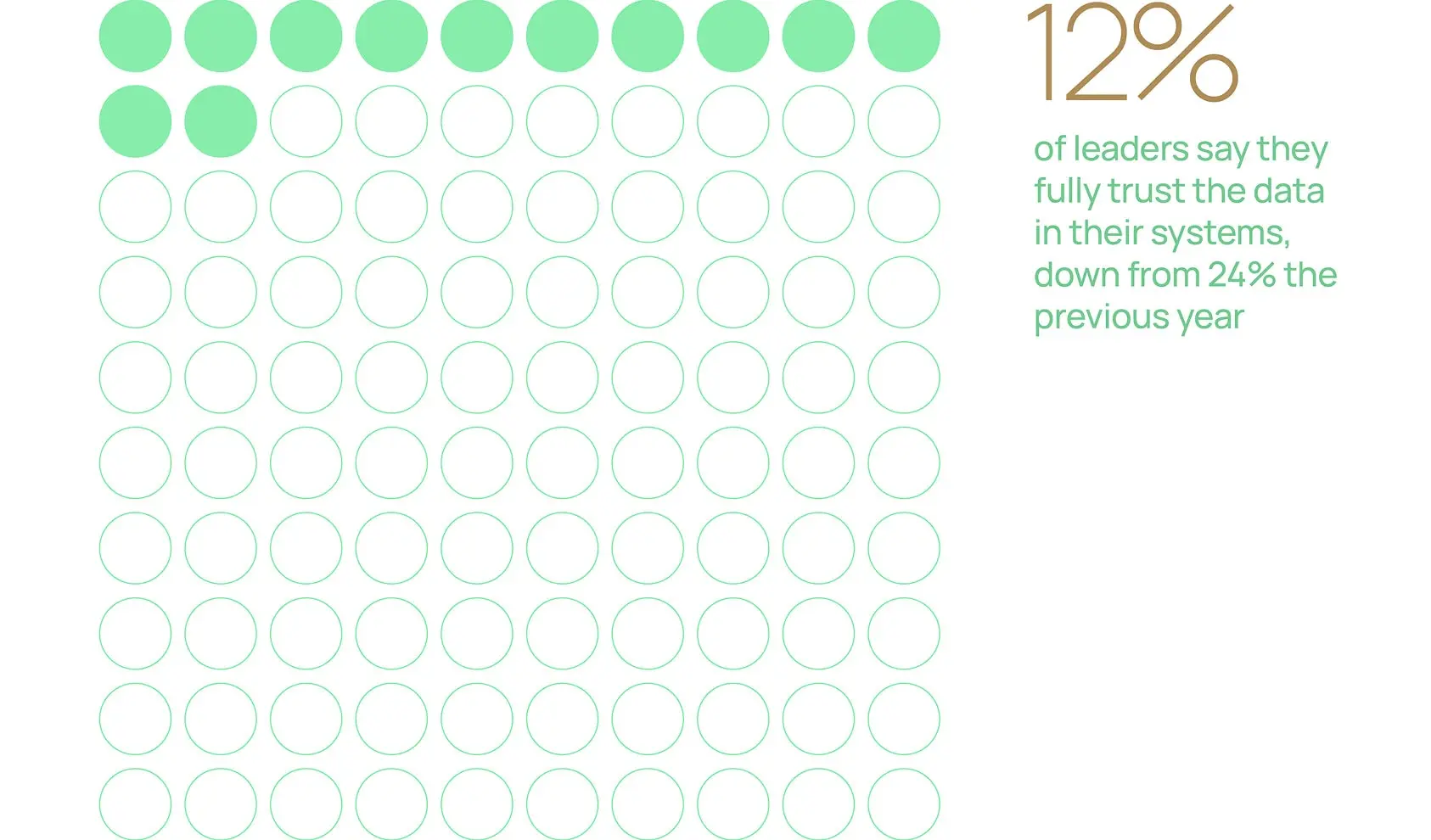
What are the biggest resourcing challenges as AI becomes part of delivery workflows?
- AI has officially entered delivery workflows, and leaders are struggling to integrate agents into existing resourcing structures.
- Capacity constraints remain severe, with firms consistently turning away work because they cannot staff it.
- Forecasting visibility is shrinking, making long-range planning increasingly unreliable.
- Teams know they need competency and outcome-based staffing, but lack the systems and clarity to support it.
- Skills needs are becoming harder to predict, creating a widening gap between demand and available talent.
How can firms prepare for AI + human hybrid resourcing models?
- Organizations are moving toward a hybrid workforce model where AI agents are resourced, measured, and valued alongside humans.
- Firms are preparing systems that can attribute work and impact across both human and AI contributors.
- Hybrid resourcing models promise more agility, allowing teams to scale capacity faster and more precisely.
- Those who adapt their resourcing operations will unlock advantages rooted in speed and sustainable growth.
Looking Ahead:
Resourcing in 2026 and Beyond
The future of resourcing is orchestration, not allocation. By blending human expertise with AI capacity in a coordinated, measurable way, firms can reduce risk and improve both predictability and profitability.
Download the full report for more predictions and actionable insights on how to adapt resourcing for a hybrid workforce in 2026.
Get the ReportThe Bottom Line
The State of the Professional Services Industry results make one thing unmistakably clear: the industry is entering one of the most significant seasons of change the industry has ever seen.
The future of services is high-velocity, insight-driven, outcome-oriented, and fueled by an increasingly hybrid workforce that combines the expertise of humans and the speed and power of AI. The firms that build for that reality today will define the industry of tomorrow.
Kantata understands the challenges you face — and how to fix them. We bring AI-powered delivery, resourcing, and financials into one purpose-built platform designed specifically for the needs of services organizations.